

Wood pellet machines, essential for producing compressed fuel from wood waste, have become crucial in the renewable energy sector. The price of these machines varies based on several key factors, including location, machine specifications, and global market trends.
1. Wood Pellet Machine Pricing: An Overview
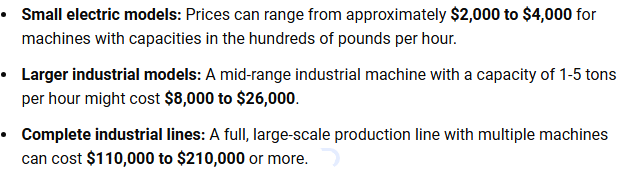
The price of wood pellet machines depends on a range of factors including quality, capacity, and geographical location. In general, prices for basic models can start from a few thousand dollars, while advanced, high-capacity machines can exceed tens of thousands of dollars. Below, we break down the price comparison across key global markets to provide you with clear insights.
2. Price Comparison: Global Trends
2.1 China Wood Pellet Machine Price
In China, the price of wood pellet machines tends to be more affordable due to lower manufacturing costs. A small-scale machine can be priced from around $3,000 – $7,000, while larger industrial models may cost anywhere between $10,000 and $50,000. Chinese manufacturers offer competitive pricing but quality and after-sales services vary, which can impact the overall cost.
2.2 U.S. Wood Pellet Machine Price
The price of wood pellet machines in the United States is generally higher due to the advanced technology and better after-sales support offered by U.S. manufacturers. Small to medium-sized machines typically cost between $8,000 and $20,000, whereas larger, high-capacity machines can range from $30,000 to $100,000.
2.3 Europe Wood Pellet Machine Price
European prices for wood pellet machines are typically at the higher end of the spectrum. Small-scale models start at €7,000 – €12,000, and industrial machines can cost anywhere from €25,000 to €80,000 or more. European manufacturers focus on eco-friendly designs and high energy efficiency, contributing to the premium price.
3. Table: Wood Pellet Machine Price Comparison
| Region | Small-Scale Machines | Medium-Scale Machines | Large-Scale Machines |
|---|---|---|---|
| China | $3,000 – $7,000 | $10,000 – $30,000 | $50,000+ |
| USA | $8,000 – $20,000 | $20,000 – $50,000 | $60,000+ |
| Europe | €7,000 – €12,000 | €15,000 – €35,000 | €40,000+ |
4. Factors Affecting Wood Pellet Machine Pricing
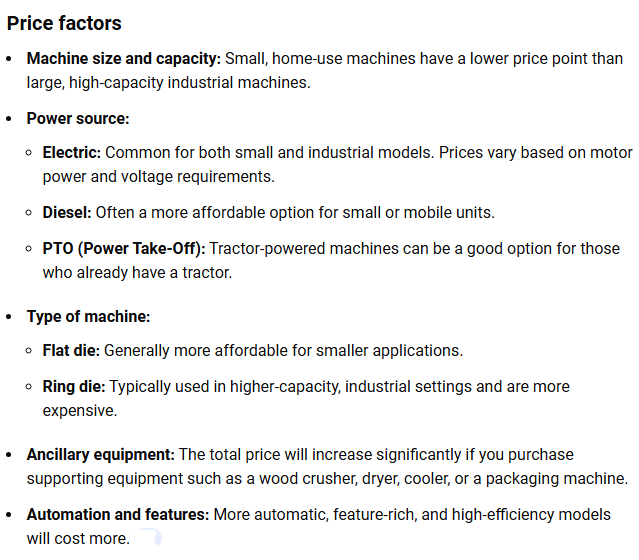
4.1 Machine Capacity and Size
The capacity of a wood pellet machine directly affects its price. Small machines are designed for limited production and are suitable for home or small-scale use. In contrast, industrial machines designed for large-scale production have higher capacities and come with more advanced features, resulting in higher prices.
4.2 Material and Build Quality
Higher-quality materials, such as stainless steel, increase the cost of the machine. Machines with durable parts and a robust design can last longer and require less maintenance, offering greater value in the long run.
4.3 Technological Features
Modern wood pellet machines come with advanced technological features, including digital control panels, automatic feeders, and energy-efficient motors. These features may raise the price but improve productivity and efficiency.
4.4 Location and Shipping Costs
Shipping costs and the country of origin can significantly affect the final price of wood pellet machines. For example, importing from China to Europe or the U.S. may incur additional shipping and customs fees, raising the overall cost.
4.5 Brand and Manufacturer Reputation
Well-established manufacturers often charge a premium due to their reputation, reliable service, and quality assurance. On the other hand, lesser-known brands may offer more affordable prices but might lack the same level of customer support.
5. Future Price Trends and Market Predictions
Looking ahead, the global wood pellet machine market is expected to grow steadily. Demand for renewable energy and eco-friendly products is driving the need for wood pellets, which in turn increases demand for pelletizing equipment. Here are some key predictions for future prices:
5.1 Expected Price Fluctuations
- China: Prices may stabilize with slight increases in the next 3-5 years due to demand for high-quality machines and improvements in technology.
- USA: With rising energy prices and a focus on green energy solutions, U.S. prices could increase as demand for more advanced machines grows.
- Europe: Europe may see moderate price increases, particularly for machines that meet stricter environmental standards.
5.2 Global Economic Impacts
The global economic situation, including raw material costs and trade agreements, could also influence pricing. Tariffs, raw material shortages, and transportation costs are key factors that may impact prices globally.
6. Table: Projected Price Trends for Wood Pellet Machines
| Year | China Price Change | USA Price Change | Europe Price Change |
|---|---|---|---|
| 2025 | +5% | +7% | +6% |
| 2030 | +10% | +15% | +10% |
7. How to Choose the Right Wood Pellet Machine
Choosing the right wood pellet machine involves considering several factors, such as your production capacity, budget, and the type of pellets you intend to make. Here are some tips to guide your decision-making process:
7.1 Define Your Production Needs
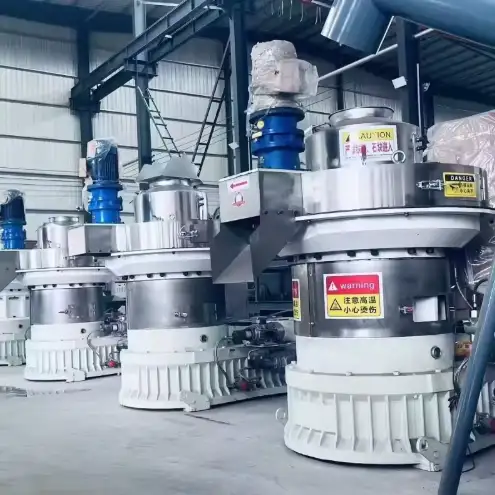
Before purchasing, it is crucial to determine the volume of pellets you plan to produce. Small-scale machines are perfect for home-based operations, while larger machines are suited for commercial-scale production.
7.2 Consider the Material
Different machines are suited for different types of raw materials. Ensure the machine you select is capable of handling the materials you intend to use, whether it’s wood chips, sawdust, or other biomass.
7.3 Analyze Your Budget
Keep in mind the total cost of ownership, which includes not only the initial price but also maintenance, energy consumption, and potential upgrades over time.
8. Case Study: Wood Pellet Machine Purchase in the China
A company based in Texas decided to purchase a medium-sized wood pellet machine for their production facility in 2023. The decision was based on the rising demand for renewable energy sources in the region. After researching multiple brands, they opted for a China-made model priced at $25,000. This choice was influenced by the machine’s energy efficiency and robust after-sales support, which made the higher upfront cost worthwhile.
9. Frequently Asked Questions (FAQs)
1. What is the cost of a wood pellet machine in 2025?
The cost can vary depending on the region, machine size, and specifications. Prices range from $3,000 to $100,000.
2. Can I find cheap wood pellet machines?
Yes, Chinese manufacturers offer affordable models, but be cautious of lower quality machines.
3. How do I know if a machine is energy-efficient?
Look for machines with high energy efficiency ratings and features such as low power consumption motors.
4. Is it better to buy a local or imported machine?
Local machines may come with better support, while imported machines might offer more affordable options.
5. How long does a wood pellet machine last?
With proper maintenance, a high-quality machine can last 10-15 years.
6. What are the maintenance costs of a wood pellet machine?
Regular maintenance includes parts replacement and occasional servicing, which can cost around $500 to $2,000 annually.
7. Can a wood pellet machine be used for materials other than wood?
Yes, many machines can handle other biomass materials like straw, sawdust, and rice husks.
8. How do I choose the right size machine for my business?
Consider the volume of pellets you plan to produce. Small-scale operations may need machines with a production capacity of 300-500 kg per hour, while large-scale operations may need machines with capacities over 1,000 kg per hour.
9. What is the best brand for wood pellet machines?
Some of the best brands include La Meccanica, Buschhoff, and Pellet Mill.
10. How much electricity does a wood pellet machine consume?
The power consumption depends on the size of the machine. Small machines may consume around 5-15 kW, while larger machines can use upwards of 30 kW.
Conclusion
Understanding the price and selection of wood pellet machines involves evaluating a variety of factors, from production capacity to geographic location. By analyzing the prices in key markets and considering future trends, you can make an informed decision that meets your business needs. Always ensure you choose a reliable machine that balances cost, efficiency, and after-sales support.