

Selecting the correct wood chipper relies entirely on matching the mechanical configuration to your specific material volume and diameter requirements. Drum chippers represent the superior choice for high-volume forestry and varied brush processing due to their wide intake capabilities. Conversely, disc chippers provide better uniformity for biomass fuel and pulp production where chip consistency is paramount. For tractor owners, PTO (Power Take-Off) units offer the most cost-effective power-to-performance ratio, while electric shredders serve only strictly residential light-duty needs. Lanson engineers recommend prioritizing hydraulic feed systems over gravity-fed options for any commercial application to ensure safety and efficiency.
Core Mechanical Classifications of Wood Chippers
Understanding the internal mechanism defines how a machine processes wood. This categorization remains the primary method for distinguishing performance capabilities in the heavy equipment sector.
Drum Chippers
Drum chippers utilize a large, rotating cylindrical drum positioned parallel to the feed hopper. Steel blades attached horizontally to the drum spin at high velocities. When material enters the hopper, the drum draws it in and shears the wood against a stationary anvil.
These units excel at processing messy, fibrous material. The wide opening allows them to ingest entire bushes, palm fronds, and irregular branches without clogging. Modern commercial units often feature hydraulic feed wheels that regulate the speed of material entering the drum section. This prevents engine bogging and ensures consistent operation.
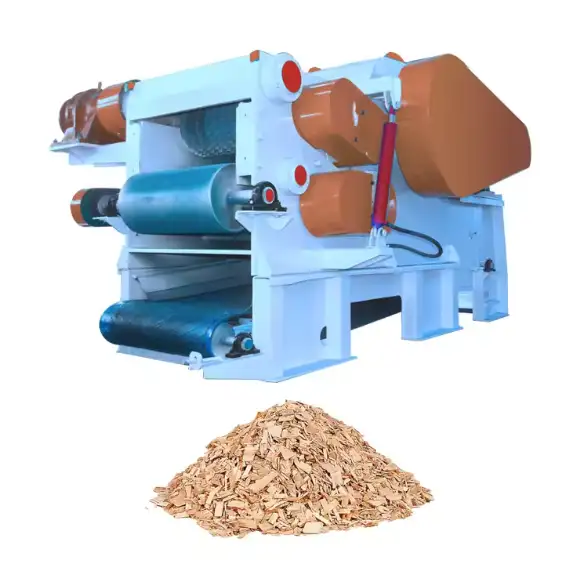
Lanson manufacturing data indicates that drum chippers dominate the rental and municipal markets. Their robust nature handles contaminants like rocks or metal wire better than precision-based disc chippers, though chip quality is generally less uniform.
Disc Chippers
Disc chippers operate using a steel flywheel with blades mounted radially on the face. The flywheel spins perpendicular to the feed direction. As wood hits the spinning face, the knives slice through the timber at a specific angle.
The primary advantage here is chip consistency. The slicing action produces uniform, flat chips ideal for the paper pulp industry or decorative mulch. These machines require less horsepower than drum units for logs of the same diameter because the cutting inertia of the heavy flywheel aids the engine.
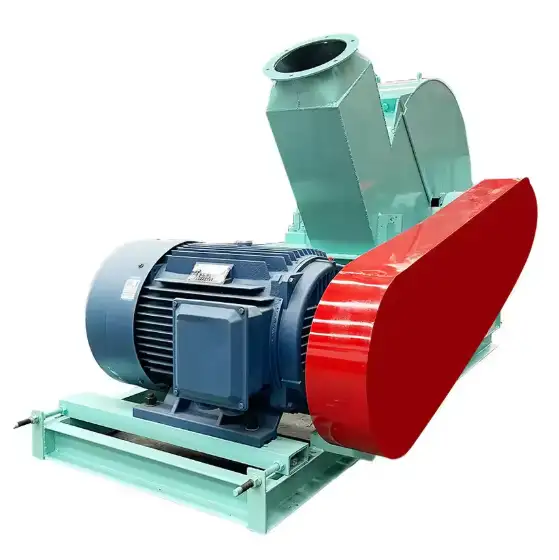
However, disc chippers struggle with brushy, stringy material. Vines can wrap around the shaft behind the disc, causing heat buildup and bearing failure. Operators must prepare materials more carefully before feeding them into a disc unit compared to a drum unit.
Screw (High-Torque) Chippers
Screw chippers utilize a conical, spiral blade that rotates slowly but with immense torque. The blade itself acts as the feed mechanism, pulling the log in as it rotates.
These machines are significantly quieter than drum or disc variants. The low-speed operation reduces dust and noise pollution, making them suitable for residential zones. The chips produced are often coarser. While less common in North America, they retain popularity in European markets for specific biomass applications.
Comparison of Core Mechanisms
| Feature | Drum Chipper | Disc Chipper | Screw Chipper |
| Material Intake | Excellent for brush & mix | Good for straight logs | Good for logs |
| Chip Quality | Irregular/Shredded | Uniform/Flat | Chunky/Coarse |
| Safety Risk | High (Kickback potential) | Moderate | Lower (Slow speed) |
| Maintenance | Straightforward | Precision required | Low wear rate |
| Primary Use | Landscaping/Clearance | Pulp/Biomass | Residential/Quiet Zones |
Power Source Variations
The method used to drive the chipping mechanism dictates the machine’s mobility, operating cost, and environmental footprint.
PTO (Power Take-Off) Wood Chippers
PTO chippers connect directly to a tractor’s driveshaft. They lack an internal engine, which significantly reduces the purchase price and maintenance overhead. The tractor engine provides the rotational force.
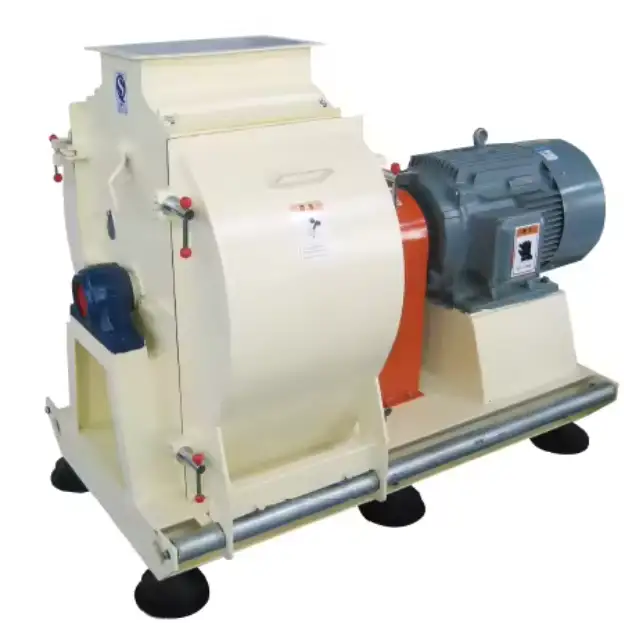
Farmers and owners of large estates prefer this configuration. If you own a tractor with 40+ HP, a PTO chipper allows you to process 6-inch diameter logs efficiently. The limitation is mobility; the chipper must stay attached to the tractor. Lanson frequently supplies PTO adapters for clients managing orchards or vineyards.
Gasoline Engine Chippers
Gas-powered units dominate the mid-range market. Ranging from 150cc to 900cc engines, these machines offer portability and sufficient power for landscapers. They typically handle limbs between 2 and 6 inches in diameter.
The advantage is independence. A tree care crew can tow a gas chipper to a backyard without needing a separate power unit. Fuel availability is universal. However, small gas engines struggle with hardwoods like oak or hickory at maximum capacity, often requiring the operator to feed material slowly.
Diesel Towable Chippers
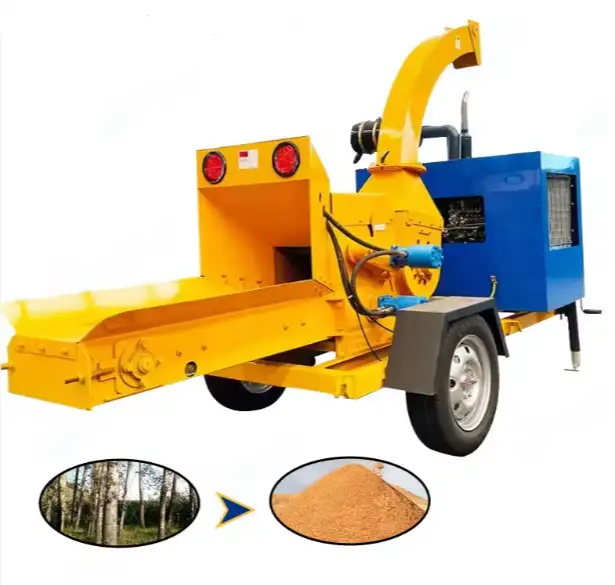
Industrial operations rely on diesel. Diesel engines provide the massive torque required to spin heavy drums or discs through dense hardwood continuously. These units are almost always towable and weigh several thousand pounds.
Efficiency is the driver here. A diesel engine consumes less fuel per volume of wood processed than a gasoline equivalent. They are built for 8-hour daily duty cycles. Lanson integrates Tier 4 Final diesel engines in our heavy-duty commercial line to meet emission standards while delivering peak torque.
Electric Wood Chippers
Electric models serve the micro-residential sector. Plugged into a standard outlet, they handle twigs and leaves up to 1.5 inches in diameter. They are quiet, emission-free, and require zero engine maintenance.
Their utility ends at property maintenance. They cannot handle heavy pruning or commercial work. The lack of torque means they jam frequently if fed dry or hard wood.
Application-Specific Categories
Classifying chippers by their intended environment helps buyers align budget with performance expectations.
Residential Shredder-Chippers
These hybrid machines feature two intake chutes. One chute directs small branches to a chipping blade, while a top hopper directs leaves and twigs to flails (hammers). The flails shred the material into compost-ready mulch.
This versatility suits homeowners who need to manage autumn leaf fall and occasional storm cleanup. They are not built for speed but for volume reduction of garden waste.
Forestry Whole Tree Chippers
At the extreme end of the spectrum lie whole tree chippers. These massive industrial units feature a crane arm to load entire trees, including the trunk and canopy, into a massive throat.
Usually track-mounted for terrain access, these machines clear land for highway projects or harvest timber for biomass energy. They process hundreds of tons of material daily. The engines often exceed 700 horsepower.
Tracked vs. Towable Chippers
Towable Units: Mounted on a trailer chassis, these attach to a truck. They are standard for arborists working on paved roads or driveways.
Tracked Units: These self-propelled machines use caterpillar tracks to navigate steep slopes, muddy construction sites, or forests. They can bring the chipper directly to the felled tree, reducing the labor of dragging brush.
Lanson Client Case Study: Efficiency in Oregon Forestry
Client Profile: GreenCover Land Management
Location: Portland, Oregon
Date: October 12, 2023
Product: Lanson Model D-200 (12-inch Drum Chipper)
The Challenge:
GreenCover managed a contract for clearing invasive blackberry bushes and alder saplings along power line easements. Their existing disc-style chippers constantly jammed due to the fibrous nature of the blackberry vines. The downtime for unclogging the machines resulted in a 4-hour loss per week, per crew.
The Solution:
Lanson technical consultants analyzed the vegetation and recommended switching to the Model D-200 Drum Chipper. This unit features a hydraulic feed system with aggressive crushing rollers designed specifically for stringy vegetation.
The Outcome:
After deploying the Lanson D-200, GreenCover reported immediate improvements. The “wrap-around” effect on the bearings ceased completely.
-
Throughput Increase: The crew processed 35% more cubic yards of material per day.
-
Maintenance Reduction: Blade changes dropped from once every 3 days to once every 7 days due to the robust anvil design.
-
Financial Impact: The project finished 5 days ahead of schedule, saving the client approximately $12,000 in labor costs.
This case validates the premise that mechanism selection (Drum vs. Disc) dictates success more than raw horsepower alone.
Technical Specifications & Performance Metrics
Buyers must scrutinize the spec sheet beyond the engine brand.
Feed Systems: Gravity vs. Hydraulic
Gravity Feed: The angle of the chute relies on gravity and the blade’s pulling action to move wood. Common in cheap residential units. It requires physical effort to push branches in.
Hydraulic Feed: One or two steel rollers grip the wood and force it into the chipper. This is safer as the operator can step away. It ensures consistent chip size and protects the engine by auto-reversing if the RPM drops (a feature known as Auto-Feed).
Throat Opening Size
The “inch rating” of a chipper usually refers to the maximum diameter of wood it can cut. However, the throat opening (width) is equally critical. A 6-inch chipper with a narrow throat requires you to trim every side branch off a limb before feeding it. A wide throat (letterbox style) accepts crotches and Y-shaped branches, saving immense chainsaw labor.
Horsepower to Diameter Ratio
Underpowered machines jam. Lanson Engineering suggests the following minimum ratios for commercial efficiency:
| Max Log Diameter | Minimum Gas HP | Recommended Diesel HP |
| 3 Inches | 13 HP | N/A |
| 6 Inches | 25 HP | 20 HP |
| 9 Inches | 40 HP | 35 HP |
| 12 Inches | 85 HP | 74 HP |
| 18+ Inches | N/A | 200+ HP |
Maintenance Protocols for Longevity
Proper care determines the lifespan of the investment. Neglect leads to catastrophic flywheel failure or engine seizure.
Knife (Blade) Care
Dull knives hammer the wood rather than cutting it. This transfers shock vibration back into the bearings and the engine crankshaft.
-
Sharpening: Commercial operators should sharpen blades every 10-15 hours of operation.
-
Gap Setting: The gap between the knife and the anvil (shear bar) must be precise. Lanson manuals specify a gap typically between 1/16″ and 1/8″. Too wide, and the machine shreds rather than chips. Too narrow, and metal-on-metal contact occurs.
Lubrication Schedules
Bearings on the main drum or disc shaft spin at 1000+ RPM under heavy load. Daily greasing is mandatory. However, over-greasing is a common error that blows out bearing seals, allowing dust to enter. Follow the manufacturer’s pump count strictly.
Belt Tension
Loose drive belts slip, causing friction heat and loss of power. New belts stretch significantly in the first 10 hours. Re-tensioning after the break-in period is critical to prevent glazing the pulleys.
Safety Features and Compliance
Wood chippers rank among the most dangerous agricultural machines. Modern engineering focuses heavily on operator protection.
Feed Control Bars
Commercial units feature a large control bar surrounding the feed chute.
-
Pull: Engages feed rollers.
-
Neutral: Stops rollers.
-
Push: Reverses rollers.
In an emergency, the operator’s body hitting the bar automatically stops or reverses the feed, preventing entanglement.
Last Chance Cables
Some regions mandate “Last Chance Cables” inside the chute. If an operator falls in, pulling these cables shuts down the engine instantly.
Discharge Chute Deflectors
The velocity of exiting chips can break glass or injure bystanders. Adjustable deflectors allow the operator to aim the stream into a truck bed accurately. Lanson designs include a 360-degree rotation feature on all commercial discharge chutes.
Cost Analysis and ROI Factors
The purchase price is the tip of the iceberg. Fuel, knives, and resale value constitute the total cost of ownership.
Initial Investment Ranges
| Category | Price Range (USD) | Target User |
| Electric Residential | $150 – $400 | Homeowner |
| Gas 3-4 Inch | $800 – $3,500 | Large Estate |
| PTO 6-inch | $2,500 – $5,000 | Farm/Tractor Owner |
| Commercial 6-inch | $12,000 – $25,000 | Start-up Landscaper |
| Industrial 12-inch+ | $45,000 – $90,000 | Tree Service/Municipality |
Resale Value Retention
Diesel chippers retain value better than gas units. A well-maintained Lanson diesel unit can retain 60% of its value after 5 years / 2000 hours. PTO units also hold value well because they have no engine to fail. Brands with established parts availability command higher resale prices.
Operating Costs
Fuel consumption varies. A 74 HP diesel engine consumes approximately 3-4 gallons per hour under load. Knife replacement sets cost between $80 and $300 depending on steel quality. Operators must factor these hourly costs into their billing rates.
Environmental Impact and Biomass
The chipping industry connects directly to sustainable forestry. Instead of burning brush piles (which releases uncontrolled carbon), chipping allows for the creation of mulch and biomass fuel.
Micro-Chips for Pellet Production
Specific disc chippers are configured to produce “micro-chips.” These tiny, uniform wood particles are dried and pressed into wood pellets for heating stoves. This requires high-precision knives and rigorous maintenance to minimize dust.
Mulch and Soil Health
Coarse chips from drum chippers serve as excellent ground cover. They retain soil moisture and suppress weeds. Over time, the decomposition returns nitrogen to the soil. Lanson encourages municipalities to chip local storm debris for use in city parks rather than dumping it in landfills.
Frequently Asked Questions (FAQs)
1. What is the difference between a chipper and a shredder?
A chipper uses sharp blades to slice solid wood (branches, logs) into chips. A shredder uses blunt flails or hammers to pulverize soft material (leaves, vines) into compost. Many residential units combine both functions.
2. Can I put dry, dead wood into a chipper?
Yes, but it is harder on the blades. Dry wood is denser and more brittle than green wood. You will need to sharpen knives more frequently and potentially feed the material slower to prevent engine stalling.
3. What does “hydraulic feed” mean?
Hydraulic feed refers to powered rollers that grab the brush and pull it into the chipping mechanism. This is superior to gravity feed because it controls the speed of intake and keeps the operator at a safe distance.
4. How often should I change the chipper blades?
For commercial use, check blades daily. Sharpen every 10-15 hours of active chipping. Replace them when they can no longer be sharpened to the manufacturer’s specified dimensions.
5. Can a wood chipper handle bamboo?
Bamboo is fibrous and tough. A drum chipper handles bamboo better than a disc chipper. The stringy nature of bamboo can wrap around disc shafts. Ensure your blades are razor-sharp before processing bamboo.
6. What is a PTO chipper?
PTO stands for Power Take-Off. These chippers attach to a tractor and use the tractor’s engine for power. They are cost-effective for tractor owners but cannot operate independently.
7. Why is my chipper producing sawdust instead of chips?
Sawdust production usually indicates dull blades or an incorrect gap between the knife and the anvil. It suggests the wood is being abraded rather than sliced.
8. Is a diesel chipper better than a gas chipper?
For heavy-duty daily use, yes. Diesel engines offer more torque at lower RPMs and generally last longer. For occasional light use, gas engines are cheaper and easier to maintain.
9. Can I rent a wood chipper?
Yes, most equipment rental yards stock 6-inch gas chippers. For larger industrial units, you typically need a commercial account and proof of insurance.
10. What safety gear is mandatory when operating a chipper?
Operators must wear a hard hat, eye protection (safety glasses and face shield), hearing protection, and close-fitting clothing. Never wear gauntlet-style gloves or loose items that could snag on branches entering the feed chute.
Final Considerations for Buyers
The landscape of wood processing equipment is vast. The decision ultimately rests on the volume of material and the type of vegetation. A homeowner with an acre of oak trees requires a different tool than a commercial crew clearing pine forests.
Lanson Industrial advises prospective buyers to conduct a “material audit” before purchase. Estimate the maximum diameter you realistically encounter and the hours per week the machine will run. Over-buying results in wasted fuel and capital; under-buying leads to frustration and mechanical failure.
Focus on the feed system mechanism and the ease of access for maintenance. A machine that is difficult to service will eventually be neglected, leading to premature failure. Whether opting for the brute force of a drum chipper or the precision of a disc chipper, ensure the safety features meet modern standards.